
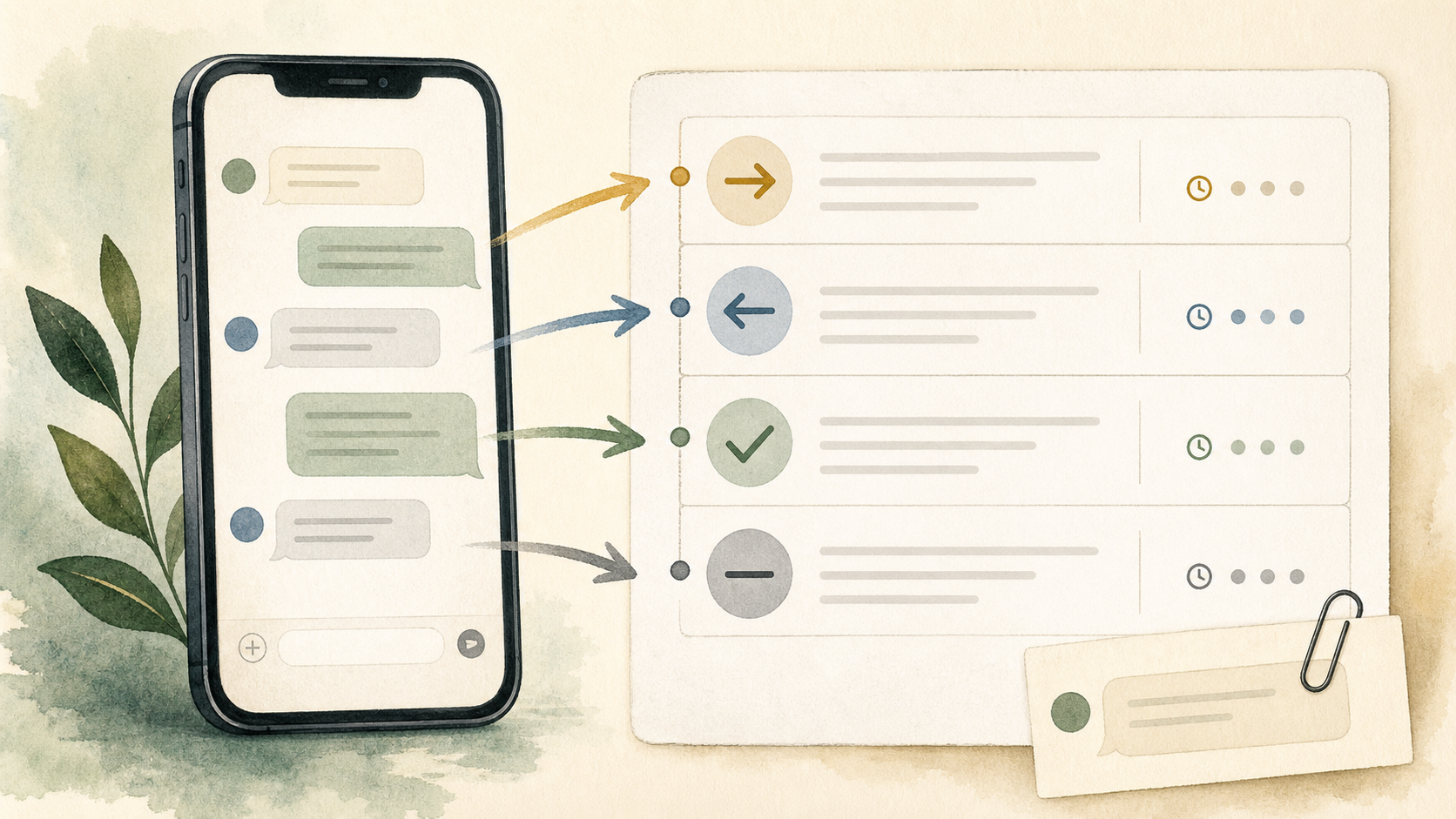
How to read this in the UK
Three things need to stay separate in a record. What the arrangement says, what actually happened, and the file that shows it. Blur them together and a reader has to take your word for it. Keep them apart and the record speaks for itself.
The UK is not one family-law system. England and Wales, Scotland and Northern Ireland each have their own rules, forms and vocabulary. Use the words that appear in your own order or agreement rather than a term borrowed from somewhere else.
Keep the complete source file, not a crop of it. Write events in the order they happened, and say plainly where something is missing or unclear. A family solicitor can work with a record like that. They cannot work with a reconstruction.
Locality checklist for a UK review
Name the UK nation and court. Copy the key words from the current order or plan. Add places only when they help explain the event. Remove home or school addresses if the reader does not need them. Check the right court rules before you use a private timeline as a formal record.
Log the issue, not every bubble
Twenty messages about one school trip are one messages event. Give it a topic—“Year 6 trip consent and payment”—then record the initial request, material replies, decision and unresolved action. Attach the export or screenshots as the source. This keeps volume from disguising substance.
A useful log answers: What needed to happen? When was the information sent? Was an answer needed? What answer came? What was the effect? A screenshot folder alone cannot answer those questions quickly.
Use a decision tree before saving
- Does the messages affect the child, schedule, care, cost, decision or safety? If no, don't log it.
- Does it contain a new request, answer, agreement or material refusal? If yes, update the issue entry.
- Is it abusive or threatening but unrelated to logistics? Keep it safely if relevant to expert advice. Don't repeatedly summarise every line.
- Is no reply itself material? Record the request, reasonable response point, follow-up and practical consequence. Don't describe silence as refusal unless the facts support that label.
- Has the issue concluded? Record the outcome and close the thread.
Copyable communication-log template
TOPIC / CHILD:
CHANNEL + THREAD REFERENCE:
OPENED DATE/TIME:
REQUEST OR INFORMATION SENT:
RESPONSE NEEDED BY + REASON:
RESPONSE RECEIVED DATE/TIME:
FACTUAL SUMMARY OF MATERIAL RESPONSE:
OUTCOME / WHAT WAS AGREED:
PRACTICAL EFFECT IF UNRESOLVED:
ORIGINAL MESSAGE REFERENCES:
FOLLOW-UP DATE:
STATUS: open / agreed / declined / no response / superseded
A realistic completed entry
Topic: Orthodontist appointment, N
Opened: 7 June, 09:14 by email
Request: Confirm availability for either 18 June 16:00 or 20 June 09:00. Clinic holds slots until 10 June.
Response needed: 10 June, because the clinic hold expires.
Response: 10 June, 18:42: “20th works.”
Outcome: 20 June slot booked at 18:55. Confirmation forwarded at 19:02.
Evidence: COM12-An original email thread. COM12-B clinic confirmation.
Status: Agreed.
The summary makes working together visible. A good record isn't limited to disputes.
Record no response precisely
“Ignored me” combines fact and judgment. A better entry states the channel, sent time, delivery information if available, follow-up and deadline consequence.
“Message requesting consent for the school trip sent 2 September at 08:10. The form was due 6 September. Follow-up sent 5 September at 17:30. No response received by 6 September at 12:00. I told the school consent was still pending.”
If a later response arrives, add it to the same issue entry with its actual time. Don't alter the earlier status.
Preserve context and privacy
Keep enough preceding and following messages to show meaning, including your own contribution. Cropped screenshots can remove qualifiers, dates or the message being answered. Prefer a native export when available, and keep the original file.
Before sharing, check phone numbers, account details, health information and third-party messages. A private log may contain material that should not be filed or circulated. A local lawyer or court direction decides what must be disclosed and in what form.
A UK review note
Build a messages log that tracks requests, responses, decisions and originals without turning every message into an incident. Sharing any of it in the UK takes a few more steps.
Before you share any of this, work from a copy. Remove private details the reader does not need, and leave the original file untouched.
Check each key sentence. Can you link it to a date or source? If not, change the summary. Do not fill the gap with a guess.
Name the UK nation and court on the review copy. Keep the words used in the order. Ask a family solicitor about court rules and what you may need to share.
What a coherent UK record looks like
Casewell keeps the dated entry, its source file and any later addition together in one private timeline. When a review is needed, select only the records that answer the question in front of you and share those with a family solicitor.
Try for freeDo I need screenshots if I have summaries?
Keep the originals. A summary helps navigation. It should not replace the material it summarises.
How should I log phone calls?
Record date, participants, topic, material points and agreed actions soon afterward. A short written confirmation can reduce later misunderstanding. Recording laws vary by location.
Should response time be calculated automatically?
It can help for genuine time-sensitive requests. But raw averages may mislead. Note whether a response was actually needed and why the deadline mattered.
Does this cover Scotland and Northern Ireland too?
No. England and Wales, Scotland and Northern Ireland have separate family-law systems, forms and terms. Use the page to organise a working record and get advice for the relevant legal system.
Sources
England and Wales, Scotland and Northern Ireland have separate family-law systems, forms and terms. The official source gives orientation only. This page is a records guide, not legal advice.