
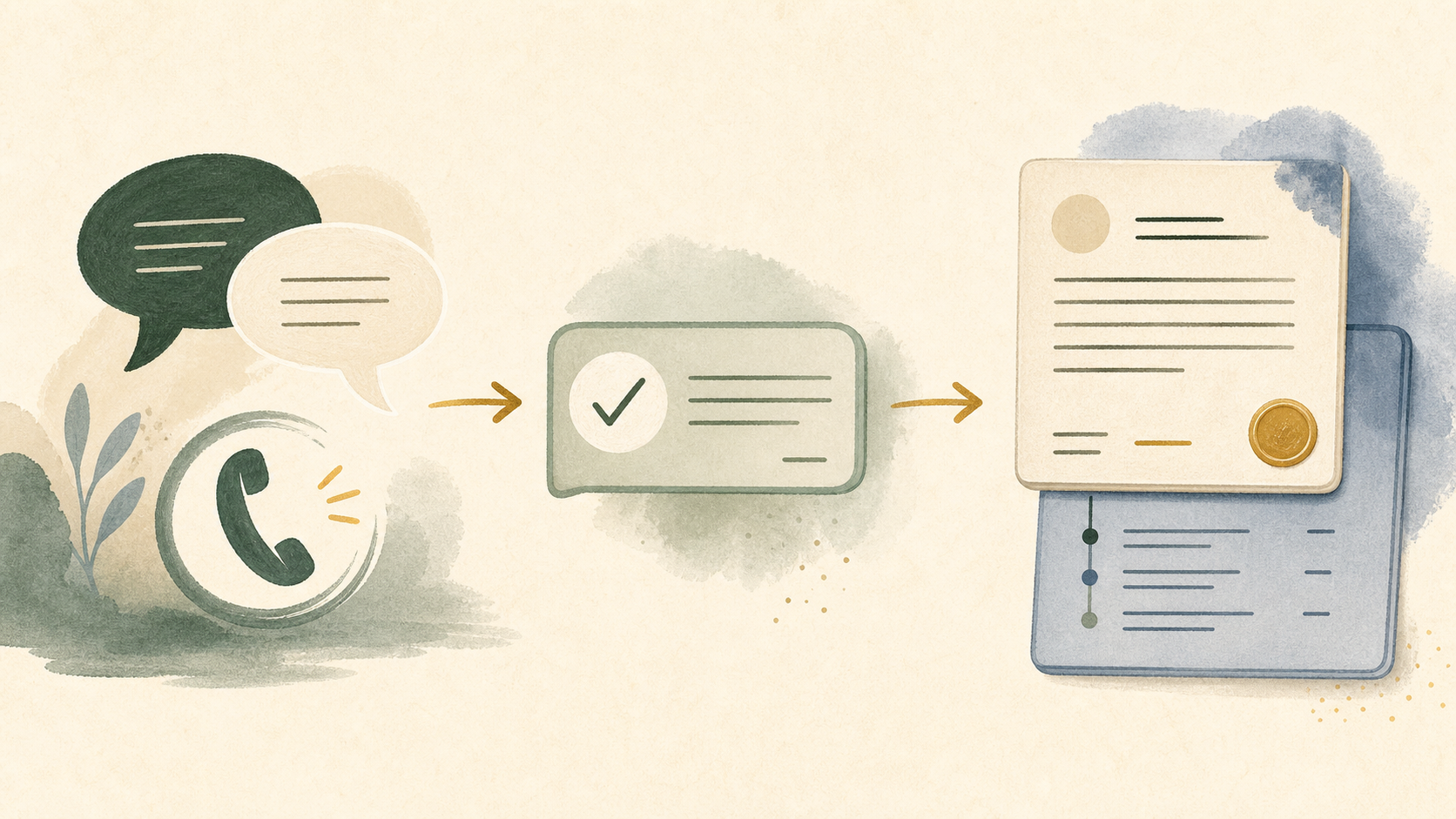
How to read this in Australia
A record earns its weight by staying factual. Note what was planned, note what took place, and attach the file or message that supports the note.
Start from the parenting order, plan or written agreement now in force. Most family law here is federal, though Western Australia follows a different court path in some cases. Use the words that appear in your own papers.
Keep everyday days in the private record alongside the difficult ones. When a review is needed, select only the entries that answer the question in front of you. That is what lets an Australian family lawyer find the key facts quickly.
State, territory and pathway checklist
Name the state or territory and the court registry. Say if the plan is an order, parenting plan, or written deal. Use the words from that paper. Flag any Western Australian court path for legal review. Keep court papers, dispute help records, and daily notes in separate groups.
Record the terms that can be misunderstood
A useful confirmation includes: who the arrangement concerns. Start and end date and time. Collection and return place. Transport. Cost or repayment. Any condition. And whether it changes an existing order or is only a practical one-off arrangement.
Avoid “as discussed” on its own. It proves a conversation happened but not what was decided. Also avoid turning a simple confirmation into advocacy. The goal is to expose any disagreement before someone relies on the arrangement.
Copyable confirmation message
Thanks for speaking today. My understanding is:

• [Child] will [arrangement/change].
• Start: [date, time, place].
• End/return: [date, time, place].
• [Person] will handle [transport/payment/booking].
• This is [a one-off change / intended to apply until DATE].
• Everything else in [the current plan/order] stays the same.

If I have any part wrong, please reply with the correction by [time/date], before we rely on the change.
Silence may not equal legal agreement. The final sentence asks for correction and creates a practical checkpoint. It does not manufacture consent.
Keep a private agreement record too
CONVERSATION DATE/TIME + CHANNEL:
PEOPLE PRESENT:
MY CONTEMPORANEOUS UNDERSTANDING:
CONFIRMATION SENT DATE/TIME:
RESPONSE OR CORRECTION:
FINAL PRACTICAL ARRANGEMENT:
ONE-OFF OR ONGOING:
RELATED ORDER/PLAN CLAUSE:
SOURCE REFERENCES:
SUPERSEDED ON + NEW RECORD ID:
Attach the confirmation and response. If the arrangement changes later, create a new version and link the previous one rather than overwriting it.
When the other parent disagrees
Don't argue about memory for twenty messages. Keep your note, their correction and any factual anchor such as the calendar or booking. Respond with the narrow unresolved point: “We agree on Saturday collection at 10:00. We have different understandings of Sunday return time: I noted 17:00. You noted 19:00. Until we resolve it, I won't treat the change as final.”
If no agreement is reached, follow the operative plan or get local expert advice. A private note cannot amend a court order.
Distinguish four different things
- Conversation note: your contemporaneous account of what was said.
- Confirmation message: the summary sent to the other parent for correction.
- Practical agreement: what both parents then act on.
- Court order or formal parenting plan: a legal document whose variation rules depend on the legal area.
Calling all four an “agreement” creates confusion. Label the record accurately and state what document, if any, remains operative.
Be cautious with audio recording
Recording calls or in-person conversations can engage consent, privacy, data-protection and admissibility rules that differ by country and, in the United States, by state. Don't assume that because a phone can record, it is lawful or useful to do so. A prompt written confirmation is usually easier to manage. Ask a qualified local expert before making or sharing a covert recording.
An Australian review note
Turn a spoken co-parenting arrangement into a clear written confirmation with a copyable message, version history and disagreement workflow. Sharing any of it in Australia takes a few more steps.
Work from a copy when someone needs to review the record. Include the current order or plan, a short timeline and a small set of named source files.
Check current court orders and rules before you send the pack. An Australian family lawyer can say what belongs in an affidavit, annexure, or private file.
Name the state, territory, and court path. Take extra care in Western Australia. A national guide cannot set the right court step for every case.
What a coherent Australian record looks like
Casewell keeps the dated entry, its source file and any later addition together in one private timeline. When a review is needed, select only the records that answer the question in front of you and share those with an Australian family lawyer.
Try for freeWhat if the other parent never replies?
Keep the dated conversation note and confirmation. Do not automatically describe silence as agreement. Whether conduct or silence has legal significance depends on the circumstances and local law.
Can a text message change a court order?
Rules for varying and enforcing orders differ. A practical message exchange may document what happened. But get local advice before assuming it formally changes an order.
Should I edit the original agreement entry after a correction?
Keep the original and add the correction as a dated version or linked addendum. That preserves the sequence and avoids presenting later knowledge as contemporaneous.
Is this a court form or affidavit?
No. It is a method for keeping a private factual record. Current court rules and expert advice decide how material is prepared or used in a proceeding.
Sources
Federal family law supplies the broad framework, while Western Australia and some related processes have distinct pathways. The official source gives orientation only. This page is a records guide, not legal advice.